Clinical Trials
Current Studies
The following are current vaccine clinical trials conducted by the Stanford-LPCH Vaccine Program. For more information about clinical trials and a nationwide database of clinical trials, please go to ClinicalTrials.gov.
For general information about participant rights, contact 1-866-680-2906.
Our clinic location is at 800 Welch Road, Palo Alto, CA 94304. General telephone number: (650) 498-7284.
Seasonal Flu Vaccine Studies
We have several seasonal flu vaccine studies each year in the fall. Find your age below to be directed to the appropriate trials:
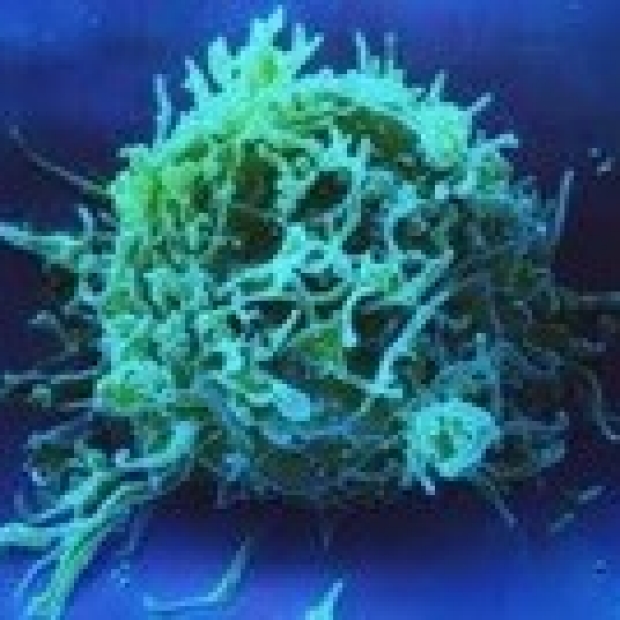
Effects of Aging on Primary and Secondary Vaccine Responses in a 15-Year Longitudinal Cohort (SLVP033)
The Stanford-LPCH Vaccine Program is enrolling healthy adults who have participated in prior studies to take part in a study to examining how vaccine responses in the elderly differ from the responses of young adults. We will study three vaccines, each of which is will elicit a different type of immune response: influenza, Hepatitis A and Typhoid.
The extent and underlying reasons for impaired primary responses in older subjects are not well understood. The purpose of this study is to gain molecular and cellular mechanistic insights into the impaired vaccine responses in the elderly.
All of the vaccines used in this study are licensed by the FDA and are not experimental. Because we are interested in understanding how the immune response changes over time in the same individual, volunteers will be asked to participate annually through the end of the funding period.
The research will be conducted at Stanford University by Cornelia L. Dekker, M.D., Professor of Pediatrics at Stanford (Stanford-LPCH Vaccine Program), Scott Boyd, M.D., Ph.D. and Mark Davis, Ph.D. (Institute of Immunity Transplantation and Infection). The trial is sponsored by the National Institutes of Health.
To be eligible you should be:
- Generally healthy and 18-40 or 65 or more years old
- Able to attend clinic visits yearly at Stanford University
- Able to provide 4 blood samples with each vaccination
- Able to provide two stool samples
If eligible you will receive:
You will receive current licensed seasonal flu vaccine every fall, appropriate for your age.
You may also receive current licensed Hepatitis A vaccine and current licensed Typhoid vaccine in either an oral or injectable form.
Eligibility: The study is open to volunteers who have been previously enrolled in a prior SLVP flu vaccine study.
For further information: Please contact the Stanford-LPCH Vaccine Program at (650) 498-7284 or email us at Vaccines_Program@stanford.edu.
The Effects of Attenuated Versus Inactivated Flu Vaccine in Twin Sets
The Stanford-LPCH Vaccine Program is seeking healthy Monozygotic (identical) and Dizygotic (fraternal) twins, 2-20 years old to take part in an influenza vaccine study (commonly known as "the flu"). We hope to understand genetic factors associated with optimal immune response to the flu vaccine. Our study will lead to knowledge that can improve flu vaccination.
The flu vaccines used in this study are licensed by the FDA and are not experimental. The research will be conducted at Stanford University by Philip Grant, M.D., Assistant Professor of Medicine (Infectious Diseases) and Mark M. Davis, Ph.D., Professor (Institute of Immunity Transplantation and Infection). The trial is sponsored by the National Institutes of Health. To be eligible you should be:
· Generally healthy
· 2-20 years old, and an identical or fraternal twin
· Able to attend 3 clinic visits at Stanford
· Able to provide 3 blood samples
If eligible, you will receive:
· Current licensed seasonal flu vaccine
· $50 per clinic visit completed
· Parking is provided
For further information or to volunteer: Please contact the Stanford-LPCH Vaccine Program at (650) 498-7284 or email us at Vaccines_Program@stanford.edu
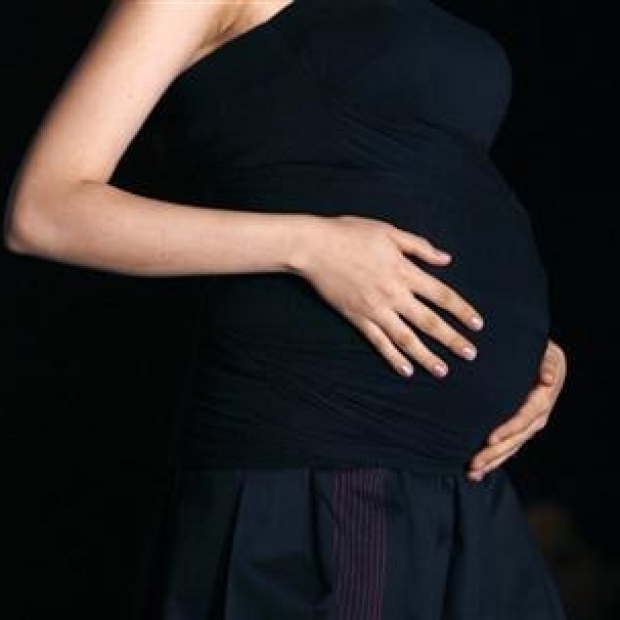
Response to Influenza Vaccine during Pregnancy
The Stanford-LPCH Vaccine Program is seeking healthy, 18-49 years old pregnant women to take part in an influenza vaccine study (commonly known as "the flu"). We hope to understand how pregnancy affects immune response to influenza vaccination.
The flu vaccine used in this study is licensed by the FDA and is not experimental. The research will be conducted at Stanford University by Philip Grant, M.D., Assistant Professor of Medicine (Infectious Diseases) and Mark M. Davis, Ph.D., Professor (Institute of Immunity Transplantation and Infection). The trial is sponsored by the National Institutes of Health. To be eligible you should be:
· Generally healthy
· 18-49 years old
· Pregnant
· Able to attend 3 clinic visits at Stanford
· Able to provide 3 blood samples
If eligible, you will receive:
· Current licensed seasonal flu vaccine
· $50 per clinic visit completed
· Parking is provided
For further information or to volunteer: Please contact the Stanford-LPCH Vaccine Program at (650) 498-7284 or email us at Vaccines_Program@stanford.edu

Response to Live Attenuated Influenza Vaccine in Tonsillar Tissues and Blood
The Stanford-LPCH Vaccine Program is seeking healthy, 2-49 years olds to take part in an influenza vaccine study (commonly known as "the flu"). Participants must be planning to undergo tonsillectomy for obstructive sleep apnea as part of their routine medical care. We hope to determine how immune memory develops at the actual site of infection and how immunization may alter this process.
The flu vaccine used in this study is licensed by the FDA and is not experimental. The research will be conducted at Stanford University by Philip Grant, M.D., Assistant Professor of Medicine (Infectious Diseases) and Mark M. Davis, Ph.D., Professor (Institute of Immunity Transplantation and Infection). The trial is sponsored by the National Institutes of Health. To be eligible you should be:
· Generally healthy
· 2-49 years old
· Planning to undergo tonsillectomy for obstructive sleep apnea
· Able to attend 2 clinic visits
· Able to provide 3 blood samples
If eligible, you will receive:
· Current licensed seasonal flu vaccine
· $50 per visit completed
· Parking is provided
For further information or to volunteer: Please contact the Stanford-LPCH Vaccine Program at (650) 498-7284 or email us at Vaccines_Program@stanford.edu

Response to Inactivated Influenza Vaccine in Lymph Tissue and Blood
The Stanford-LPCH Vaccine Program is seeking healthy, 20-75 years olds to take part in an influenza vaccine study (commonly known as "the flu"). Participants must be willing to provide lymph node tissue via a small needle after routine vaccination to the flu shot. We hope to determine how immune memory develops at the actual site of infection, and how immunization may alter this process.
The flu vaccine used in this study is licensed by the FDA and is not experimental. The research will be conducted at Stanford University by Philip Grant, M.D., Assistant Professor of Medicine (Infectious Diseases) and Mark M. Davis, Ph.D., Professor (Institute of Immunity Transplantation and Infection). The trial is sponsored by the National Institutes of Health.
To be eligible you should be:
· Generally healthy
· 20-75 years old
· Willing to provide lymph node tissue via a small needle
· Able to attend 3 clinic visits at Stanford
· Able to provide 3 blood samples
If eligible, you will receive:
· Current licensed seasonal flu vaccine
· $50-$100 per clinic visit completed
· Parking is provided
For further information or to volunteer: Please contact the Stanford-LPCH Vaccine Program at (650) 498-7284 or email us at Vaccines_Program@stanford.edu